
Introduction
When seeking to rejuvenate your look or improve specific bodily features, two main clinical disciplines are available: aesthetic medicine and cosmetic surgery. These complementary branches cater to different expectations, anatomies, and lifestyles.
How do you determine which approach aligns best with your goals? This guide breaks down the core distinctions, advantages, downtime, and criteria for each.
What is Aesthetic Medicine?
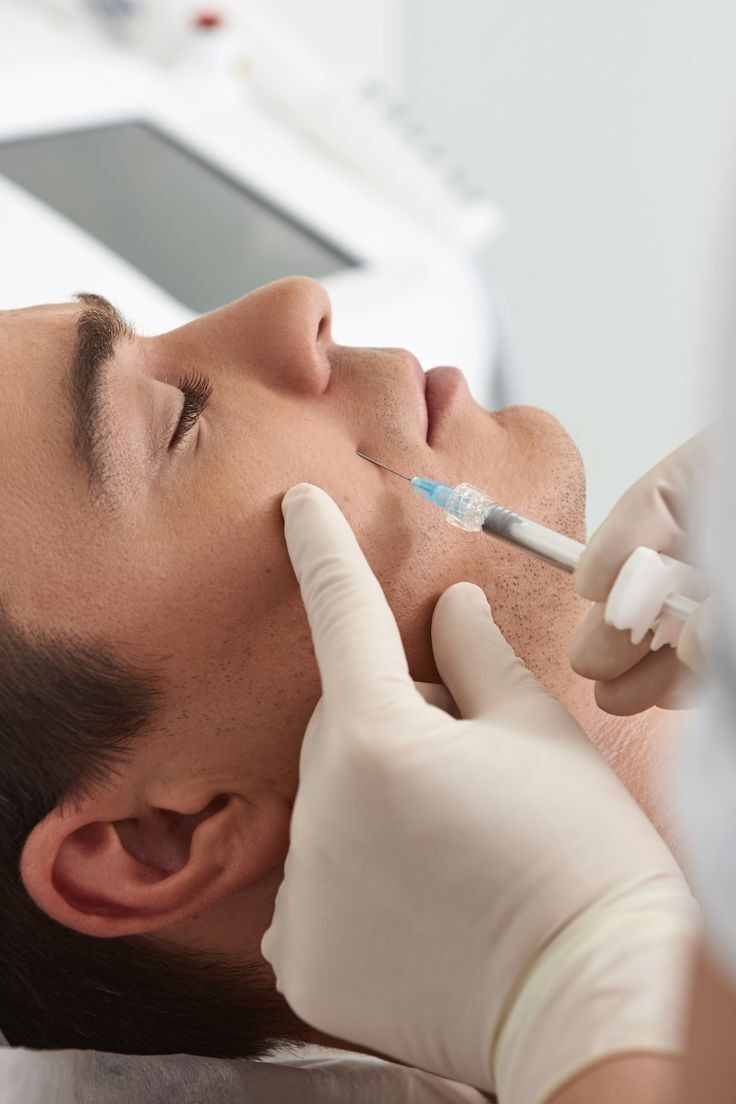
Aesthetic medicine encompasses non-invasive or minimally invasive treatments performed without surgery or general anesthesia, usually in an outpatient clinical setting.
Common aesthetic treatments include:
- Botox injections (Botulinum toxin) to smooth dynamic expression wrinkles
- Hyaluronic acid fillers to restore cheek volume, define lips, and soften nasolabial folds
- Chemical peels to renew skin texture, reduce blemishes, and treat hyperpigmentation
- Mesotherapy and skinboosters for deep hydration and radiance
- Medical laser treatments for skin resurfacing, vascular lesions, and permanent hair removal
Aesthetic medicine is favored for its speed, subtlety, minimal downtime, and reversibility. It is perfect for patients wanting natural enhancements without surgical commitments.
What is Cosmetic Surgery?
Cosmetic plastic surgery involves structural and long-lasting morphological enhancements requiring surgical incisions, anesthesia, and dedicated recovery periods.
It is indicated for:
- Reshaping features (rhinoplasty, breast surgery, body contouring)
- Tightening sagging skin (facelift, blepharoplasty, tummy tuck)
- Correcting severe volume loss or post-bariatric skin excess
- Revising structural asymmetries or developmental variations
Cosmetic surgery offers definitive, long-term transformations that non-invasive treatments cannot replicate.
How to Choose Between Medicine and Surgery?
Key decision factors include:
- Your goals: Subtle touch-up or significant structural reshaping?
- Downtime tolerance: Can you allocate days or weeks for surgical healing?
- Skin elasticity and age: Younger skin often responds excellently to non-surgical protocols
- Longevity of results: Injectables require maintenance sessions, while surgery yields enduring outcomes
A consultation with an experienced doctor or plastic surgeon is essential to diagnose your tissue quality and outline realistic options.
Why Choose Tunisia?
Tunisia offers world-class expertise in both disciplines, featuring state-of-the-art medical technology, board-certified specialists, and cost savings up to 60% compared to Western Europe.
Conclusion
Aesthetic medicine is gentle, gradual, and maintenance-based, whereas plastic surgery is transformative and permanent. Choosing the right path starts with a personalized assessment by a trusted specialist at Albitar Medical.